
KITCHEN | CLEANING | LAUNDRY | HEALTH & BEAUTY | OTHER USES
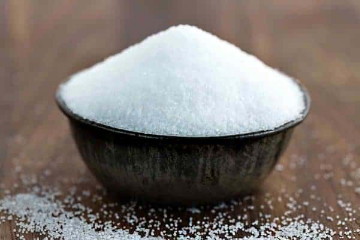
Table Salt
Altogether it's believed there are more than 14,000 uses of salt, and our grandmothers were probably familiar with most of them. Many of these uses were for simple things around the home before the advent of modern chemicals and cleaners. However, many uses are still valid today and a lot cheaper than using more sophisticated products.
We thought you might like to share some of these fascinating applications of salt. We make no guarantee about the results if you try any of them, but there must be something to them since they have been handed down over the years in many households. Most of these uses have stood the test of time.
KITCHEN
Boiling Water - Salt added to water makes the water boil at a higher temperature, thus reducing cooking time. (It does not make the water boil
faster.)
Peeling eggs - Boiling eggs in salted water will make eggs peel easily.
Poaching eggs - Poaching eggs over salted water helps set the egg whites.
Testing egg freshness - Place the egg in a cup of water to which two teaspoons of salt has been added. A fresh egg sinks; a doubter will float.
Preventing browning - Apples, pears and potatoes dropped in cold, lightly salted water as they are peeled will retain their color.
Shelling pecans - Soaking pecans in salt water for several hours before shelling will make nut meats easier to remove.
Washing spinach - If spinach is washed in salted water, repeated cleanings will not be necessary.
Preventing sugaring - A little salt added to cake icings prevents them from sugaring.
Crisping salads - Salting salads immediately before serving will keep them crisp.
Improving boiled potatoes - Boiled potatoes will be given a fine, mealy texture by sprinkling with salt after draining, then returning them to the pan and shaking them back and forth quickly to get rid of the excess moisture.
Cleaning greasy pans - The greasiest iron pan will wash easily if you put a little salt in it and wipe with paper.
Cleaning stained cups - Rubbing with salt will remove stubborn tea or coffee stains from cups.
Cleaning refrigerators - Salt and soda water will clean and sweeten the inside of your refrigerator. It won't scratch enamel either.
Extinguishing grease fires - Salt tossed on a grease fire on the stove or in the oven will smother flames. Never use water; it will only spatter the burning grease.
Improving coffee - A pinch of salt in coffee will enhance the flavor and remove the bitterness of over-cooked coffee.
Improving poultry - To improve the flavor of poultry, rub the fowl inside and out with salt before roasting.
Cleaning copper pans - Remove stains on copper pans by salting area and scouring with a cloth soaked in vinegar.
Removing onion odors from hands - Rub fingers with salt moistened with vinegar.
"Sweetening" containers - Salt can "sweeten" and deodorize thermos bottles and jugs, decanters and other closed containers.
Cleaning sink drains - Pour a strong salt brine down the kitchen sink drain regularly to eliminate odors and keep grease from building up.
Fixing oversalted soups - If soup has been oversalted, cut up a raw potato or two and drop into the soup. The potato will absorb the salt.
Preventing food from sticking - Rub a pancake griddle with a small bag of salt to prevent sticking and smoking. Sprinkle a little salt in the skillet before frying fish to prevent the fish from sticking. Sprinkle salt on washed skillets, waffle iron plates or griddles, heat in a warm oven, dust off salt; when they are next used, foods will not stick.
Whipping cream and beating egg whites - By adding a pinch of salt, cream will whip better and egg whites will beat faster and higher.
CLEANING
Cleaning brass - Mix equal parts of salt, flour and vinegar to make a paste, rub the paste on the brass item, leave on for an hour or so, then clean with a soft cloth or brush and buff with a dry cloth.
Cleaning wicker - To prevent yellowing, scrub wicker furniture with a stiff brush moistened with warm saltwater and allow to dry in the sun.
Cleaning piano keys - Place salt and lemon juice on a soft cloth and rub the cloth on piano keys to remove stains. The same treatment can be given to ivory and marble.
Removing wine stains - If wine is spilled on a tablecloth or rug, blot up as much as possible and immediately cover the wine with salt, which will absorb the remaining wine. Later rinse the tablecloth with cold water; scrape up the salt from the rug and then vacuum the spot.
Removing rings from tables - White rings left on tables from wet or hot dishes or glasses can be removed by rubbing a thin paste of salad oil and salt on the spot with your fingers, letting it stand an hour or two, then wiping it off.
LAUNDRY
Settling suds - If a washing machine bubbles over from too many suds, sprinkle salt on the suds to reduce them.
Removing perspiration stains - Add four tablespoons of salt to one quart of hot water and sponge the fabric with the solution until stains disappear.
Removing mildew or rust stains - Moisten stained spots with a mixture of lemon juice and salt, then spread the item in the sun for bleaching; and finally, rinse and dry.
Fixing sticking iron - Sprinkle a little salt on a piece of paper and run the hot iron over it to remove rough, sticky spots.
OTHER USES
Cleaning fish tanks - Rub the inside of fish tanks with salt to remove hard water deposits, then rinse well before returning the fish to the tank. Use only plain, not iodized, salt.
Cleaning flower vases - To remove deposits caused by flowers and water, rub with salt; if you cannot reach the deposits to rub them, put a strong salt solution in the vase and shake, then wash the vase with soap and water.
Keeping cut flowers fresh - A dash of salt added to the water in a flower vase will keep cut flowers fresh longer.
Keeping windows frost-free - Rub the inside of windows with a sponge dipped in a saltwater solution and rub dry; the windows will not frost up in sub-freezing weather. Rubbing a small cloth bag containing salt that has been moistened on your car's windshield will keep snow and ice from collecting.
Deodorizing sneakers - Sprinkling a little salt in canvas shoes occasionally will take up the moisture and help remove odors.
PLEASE NOTE: Most of the material presented on this page was extracted and condensed from information supplied by Dampier Salt, Ltd. and The Salt Institute. For more extensive and detailed information about salt and its uses, please visit them.